Learn more about choosing the right wood chips for your garden. Compare softwood, hardwood, dyed and natural wood chips for paths, beds and borders.
The Main Types of Wood Chips
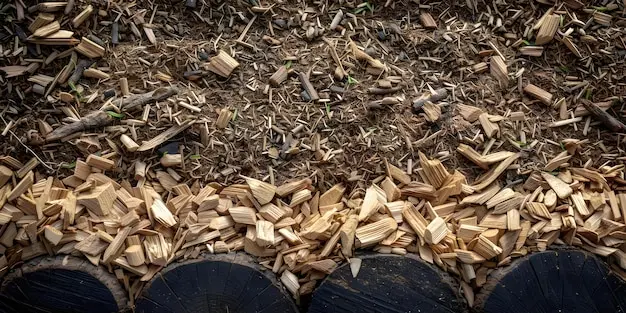
Wood chips come in a few main types, and each one suits a different use in the garden. Softwood chips are often made from pine or fir. They are light, easy to spread, and usually cost less. Hardwood chips are heavier and break down more slowly, so they often last longer.
Bark chips are made mostly from tree bark and give a neat, natural look. They are often used in beds and borders. There are also play-grade chips, which are made for safety areas rather than general gardening. Some wood chips are dyed in colours such as black or brown, while others are left natural. Choosing the right type depends on where you want to use them and the finish you want.
Softwood vs Hardwood Wood Chips
Softwood and hardwood wood chips both work well in gardens, but they have different strengths. Softwood chips are usually made from fast-growing trees such as pine or spruce. They are often more affordable and easier to find in larger amounts. Because they are lighter, they are simple to spread over wide areas. This makes them a popular choice for garden paths and large spaces. However, they break down faster, so they may need topping up more often.
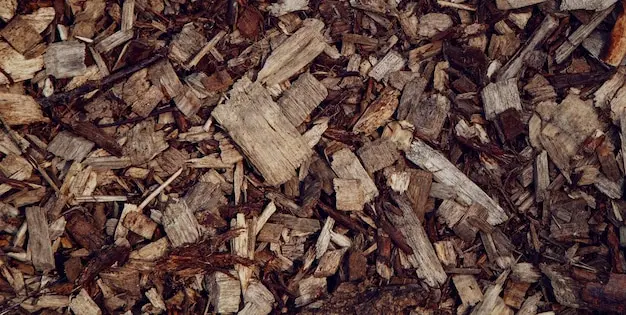
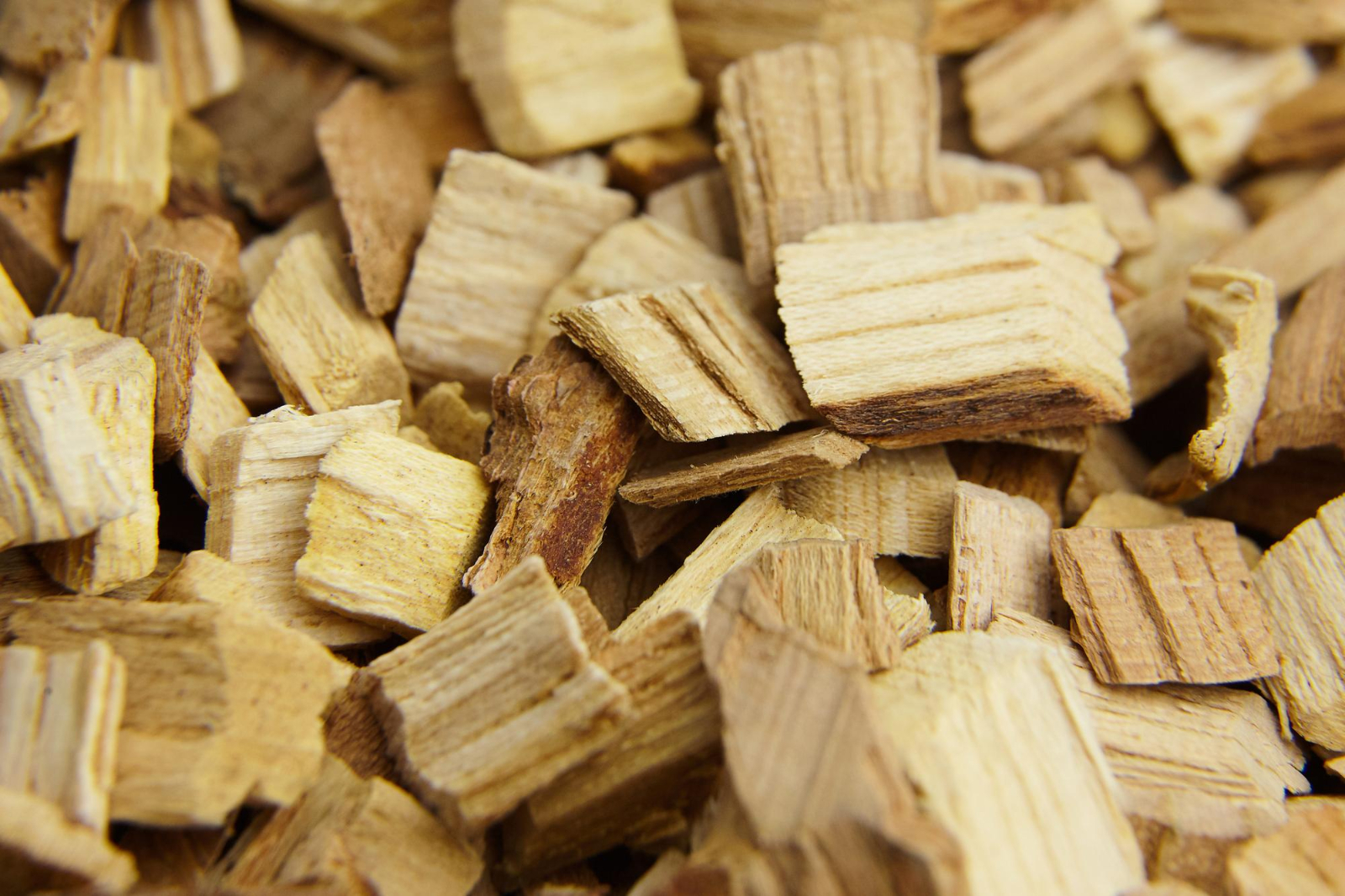
Hardwood chips come from denser trees such as oak, ash, or beech. These chips are heavier and more hard-wearing. They tend to stay in place better during wet or windy weather, and they last longer before they rot down. This can make them a better long-term choice for paths, borders, and decorative areas.
The best option depends on your garden needs. If you want a lower-cost material for quick coverage, softwood may be the better choice. If you want a longer-lasting finish with less maintenance, hardwood is often more suitable. Many gardeners choose based on budget, appearance, and how often they are happy to refresh the area.
Dyed vs Natural Wood Chips
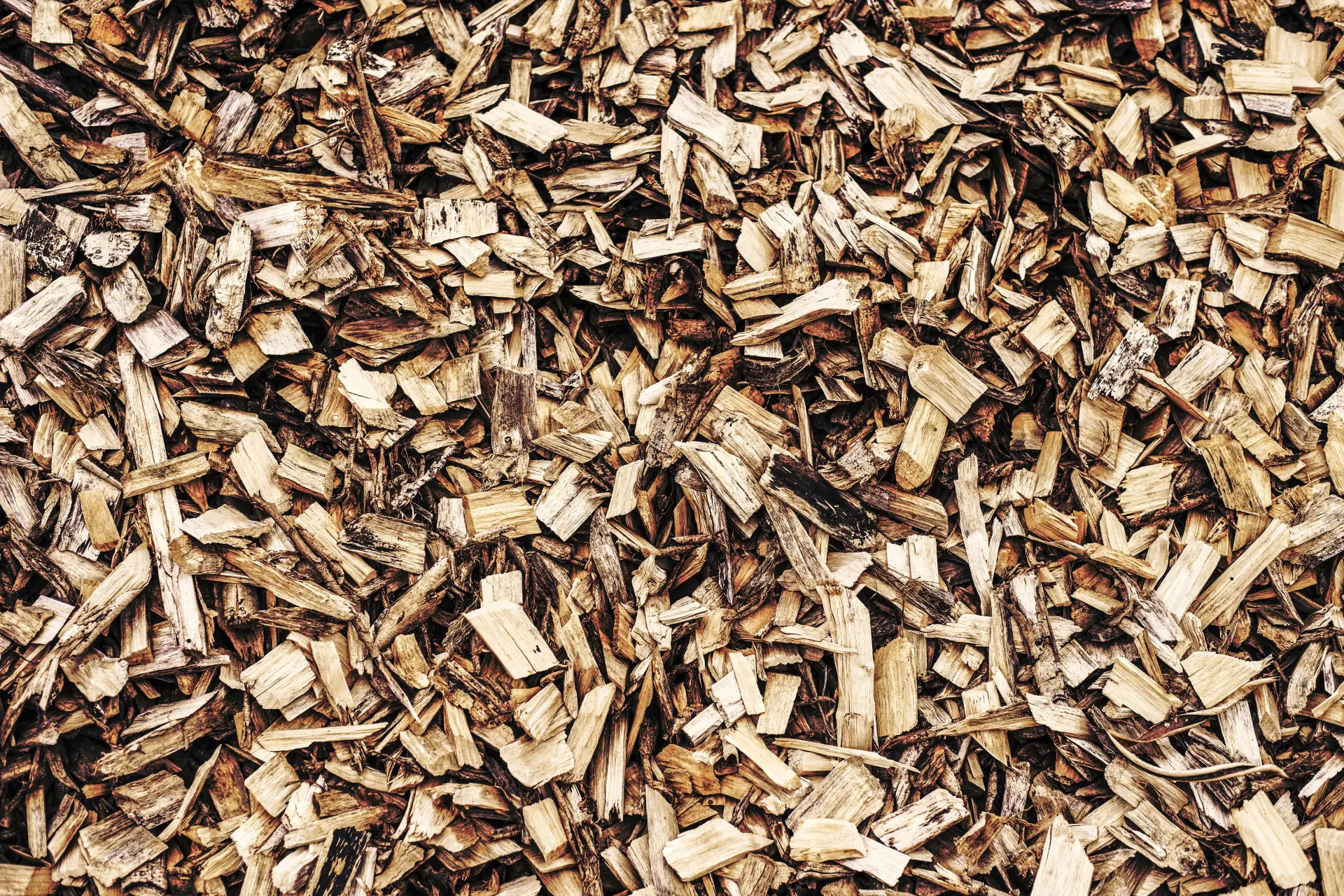
Dyed and natural wood chips offer different looks. Natural wood chips have a simple, earthy appearance that blends well with most garden styles. As they age, they fade gently and break down into the soil. Many people choose them for a more traditional and relaxed feel.
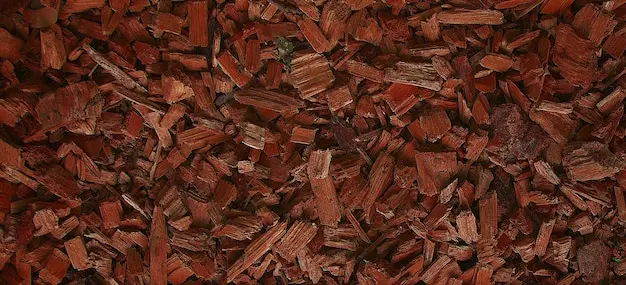
Dyed wood chips are treated to keep a stronger colour, often black, brown, or red. They can give beds, borders, and paths a more polished look. However, the colour may fade over time and need replacing to keep it fresh. For most gardens, natural chips are the safer choice if you want a low-key, natural finish that sits well with plants and other materials.
Choosing Wood Chips for Paths
When choosing wood chips for garden paths, it is important to think about comfort, durability, and how the path will be used. A good path surface should feel firm underfoot, drain well, and stay in place during bad weather. For this reason, larger and chunkier wood chips are often the best option. They knit together better than very fine chips, which can move around easily and get muddy in wet conditions.
Hardwood chips are often a strong choice for paths because they are dense and slow to break down. They can handle regular foot traffic and usually last longer before needing to be replaced. Softwood chips can also be used, especially if cost matters, but they may flatten and rot more quickly.
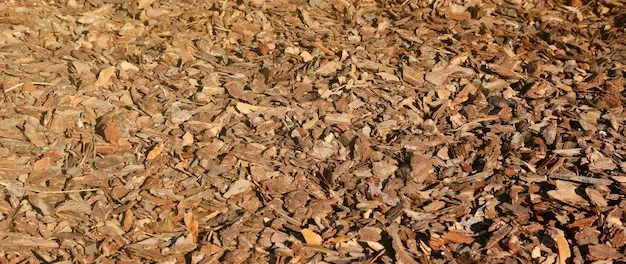
Depth matters too. A path usually needs a thicker layer than a flower bed so it feels soft but stable when walked on. Laying a membrane underneath can help stop weeds growing through, while edging helps keep the chips tidy and stops them spreading into lawns or borders.
Natural wood chips often look best for paths because they give a simple and practical finish. Dyed chips can be used for a more designed look, but they may fade unevenly over time. In most gardens, the best path chip is one that is coarse, durable, and easy to top up when needed.
Choosing Wood Chips for Beds and Borders
For beds and borders, wood chips should look neat, help hold moisture, and reduce weeds. Medium-sized natural chips are often the best choice because they spread evenly and give a tidy finish without looking too heavy around plants. Bark-based chips also work well in these areas and can improve the overall look of the garden.
Hardwood chips last longer, but softwood chips can still be useful if you want a lower-cost option. It is usually best to avoid very large path-grade chips in planting areas, as they can look rough and awkward. Choose a chip that matches the style of the garden and sits well around flowers, shrubs, and small trees.
Our premium wood chip services are of the highest quality in Warrington, Preston, Blackburn, Manchester and the North West. We offer top-quality, sustainably sourced wood chips for all your biomass fuel needs. Trust us for reliable delivery and customer satisfaction.