Discover the benefits of bulk wood chip delivery for garden mulch, weed control, and soil protection. Enhance your UK outdoor spaces with natural, affordable materials.
Bulk wood chip delivery is a practical choice for many homes, farms, estates, businesses and outdoor sites across the UK. Wood chips can be used for mulch, weed control, pathways, play areas, tree beds and more. This article looks at the most common uses of bulk wood chips and explains why they are such a useful option for landscaping, ground care and outdoor maintenance.
Why Order Wood Chips in Bulk?
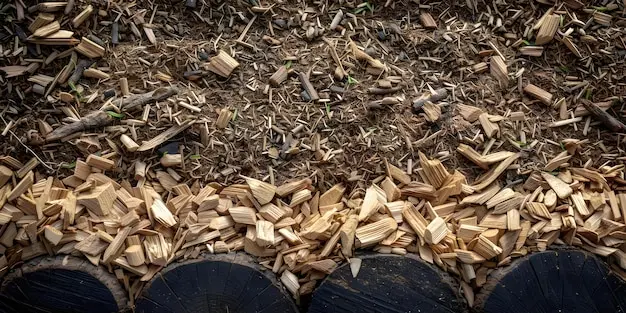
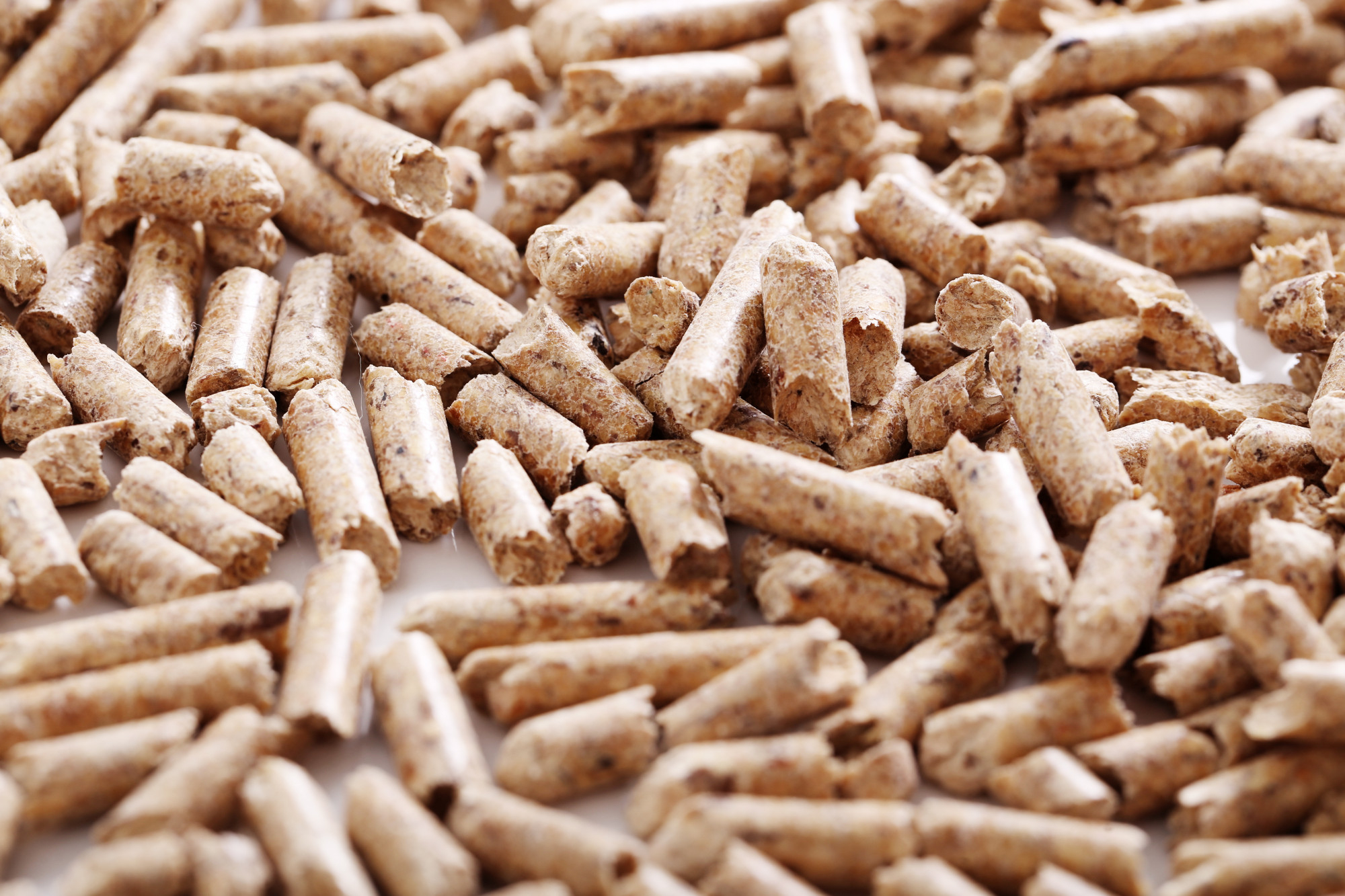
Buying wood chips in bulk can often reduce the cost per load, especially if you're buying them as fuel. This is because buying in bulk can help you manage your heating costs better over time. Bulk ordering also helps improve your fuel security since having a good supply of wood chips on-site means there's less risk of you running low during colder months, when your heating demand is higher.
Instead of arranging for frequent small deliveries, you can simply schedule one large delivery. This can reduce any disruption, lower your transport needs and make your wood chip management simpler.
Wood Chips for Garden Mulch
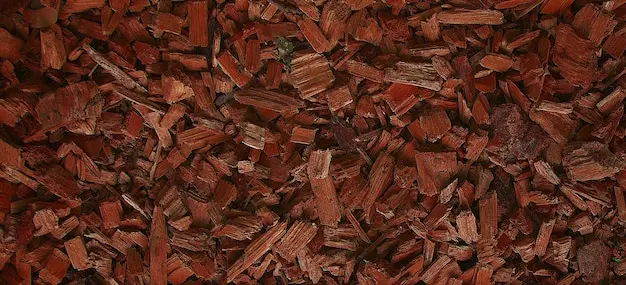
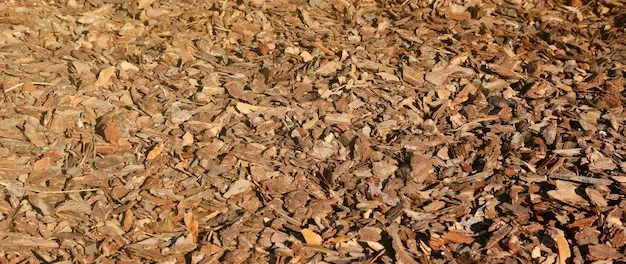
Wood chips are often used in bulk for garden mulch because they are practical, affordable and suitable for covering large areas of land. Wood chips can be spread over soil to create a protective layer that keeps moisture in the ground. This is useful during dry or hot weather, since your plants and trees can benefit from the stable soil conditions.
The mulch also blocks light from reaching the soil surface, which makes it harder for weeds to grow. Wood chip mulch can also help reduce soil erosion caused by rain and foot traffic. Over time, untreated wood chips will break down and add organic matter to the soil, which can improve the soil's growing conditions. In other words, wood chips are a simple, natural and cost-effective way to improve your garden's appearance and soil quality.
Wood Chips for Weed Control
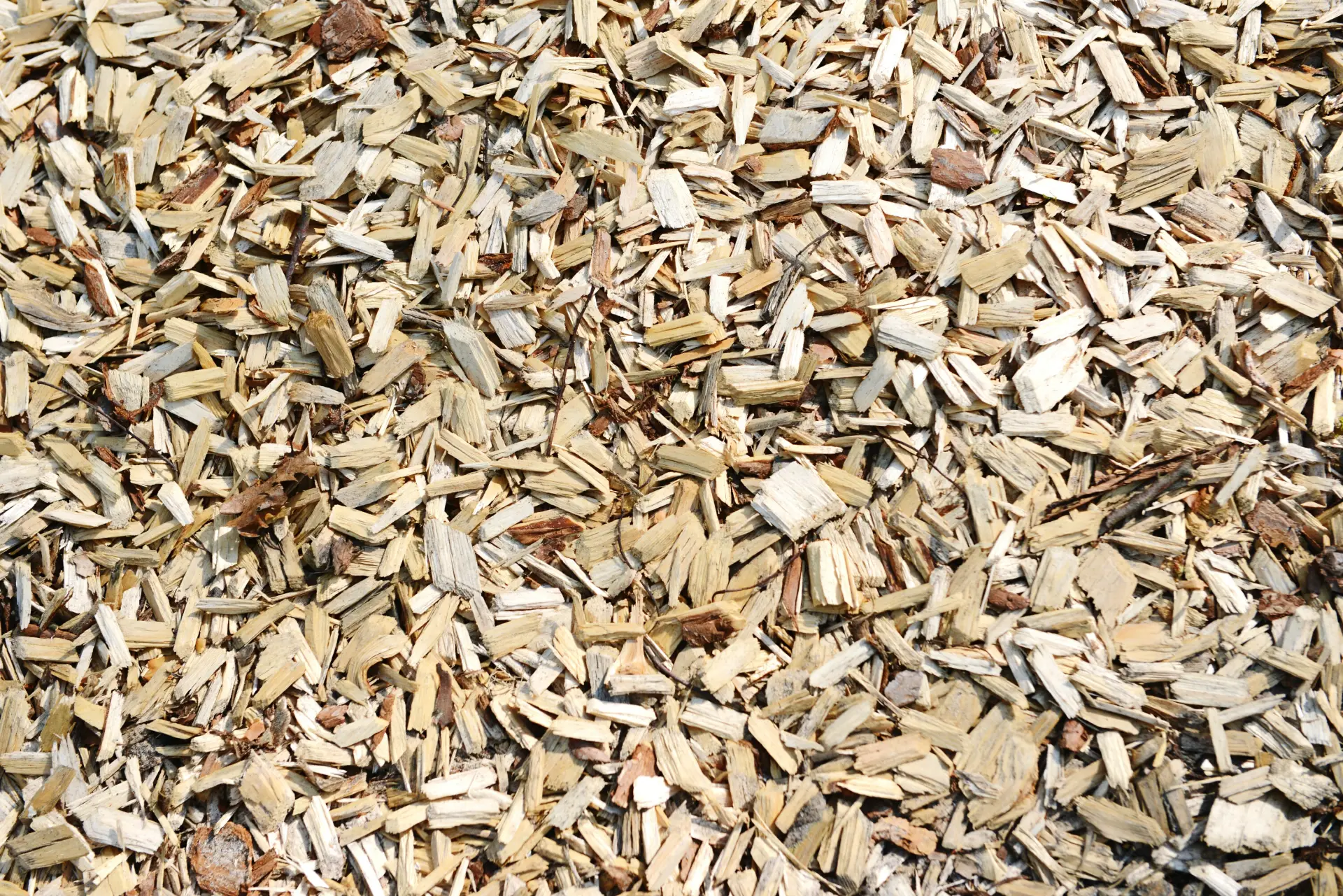
When wood chips are spread over soil as mulch, they can help stop sunlight from reaching weed seeds. Without enough light, many weeds can struggle to grow, which can reduce the amount of time you spend pulling them out by hand.
Another benefit is that wood chips create a protective layer over the soil, which helps keep moisture in the ground, which is especially useful during dry spells. Healthy, moist soil can help your plants, shrubs and trees grow better, while making it harder for weeds to take over any bare patches.
Wood chips can also improve the look of outdoor spaces, too. They can give borders, paths and planting areas a tidy, natural finish, which is great for homes, allotments, schools, parks and commercial sites.
Wood Chips for Pathways and Walkways
Wood chips are often used for pathways and walkways because they are practical, natural and cost-effective. They can be used to create a clear route through gardens, allotments, parks, woodland areas and outdoor work sites, which helps keep people off of planted areas and soft ground.
One of the main benefits of wood chip paths is that they help reduce mud. Wet weather can quickly turn grass or bare soil into slippery, messy ground, but a layer of wood chips can improve the surface underfoot and make the paths easier and safer to use throughout the year. They can also help with drainage by allowing rainwater to pass through them, rather than sitting on the surface.
Wood Chips for Play Areas
Wood chips are often used for play areas because they act as a natural, practical and affordable surface. They are commonly used under climbing frames, swings, slides and other outdoor play equipment, as well as in nurseries, schools, parks and garden play spaces. One of the main benefits of using wood chips is that they can help soften the ground. This can help reduce the risk of injuries from slips, trips and falls, making the play area more suitable for active use. Wood chips also give play areas a softer, more natural appearance since they can blend in well with gardens, parks and woodland settings, creating a more welcoming space for children.
Wood Chips for Landscaping Projects
Wood chips are widely used in landscaping projects because they are natural, practical and easy to work with. Wood chips can be used for garden borders, around trees, on pathways, in public green spaces, on commercial sites and across larger outdoor areas that need a clean, neat finish. Wood chips can help improve the appearance of a space quickly, and they can give planting areas a tidy and natural look, while covering up any bare soil. This can make gardens and outdoor areas look more complete without the need for hard surface paving or concrete.
Wood chips can also help protect soil since they can reduce moisture loss during dry weather and protect the ground from heavy rain. This is useful in the UK, since the weather conditions can often change, and, as untreated wood chips slowly break down, they can add organic matter to the soil and support healthy plant growth.
Wood Chips for Farms and Estates
Wood chips can be used for tracks, animal areas, gateways, paths, garden areas, woodland routes and around trees or hedges, making them a useful material for both working land and managed rural settings.
One of the main reasons wood chips are used is that they help reduce mud. Farms and estates often deal with wet ground, especially during autumn and winter, and a layer of wood chips can often improve the surface underfoot, making it easier to walk or drive on.
For farms and estates that manage gardens, woodland, paddocks or access routes, wood chips are a simple and cost-effective material. They are easy to spread and replace, and they can help you keep your outdoor areas looking tidy and well-managed.
Wood Chips for Equestrian Areas
One of the biggest advantages of wood chips is that they can create a softer surface underfoot, and this can be more comfortable for horses compared to hard, compacted ground, especially in pens. A softer surface can also reduce pressure on their legs and joints, as long as the wood chips are laid to a suitable depth and are kept level.
Wood chips also allow water to move through the surface instead of pooling on top, which can reduce slippery patches and deep mud. This helps make yards, walkways and turnout entrances safer for horses, riders and handlers.
Another benefit is that wood chips can give horses better footing than bare soil in wet conditions. This can help reduce slips and make their movements steadier. They can also keep the horse's hooves cleaner by limiting their contact with heavy mud, making general hoof care a lot easier.
Wood Chips for Tree and Shrub Beds
Wood chips keep moisture in the soil, which is useful during dry weather, since trees and shrubs can continue to access water for longer. By slowing down water loss from the surface, wood chips can reduce the need for frequent watering, which is helpful for larger planting areas.
Wood chips also help control weeds. When the chips are spread in a thick, even layer, they block light from reaching weed seeds, making it harder for them to grow around trees and shrubs; inevitably reducing their competition for water and nutrients.
Wood chips can also keep the soil cooler in summer and provide some protection during colder weather, which can be incredibly helpful for young trees, new shrubs and plants that are still growing. Additionally, untreated wood chips will slowly break down over time and add organic matter back to the soil. This can improve your soil structure and encourage worms and other helpful organisms to grow and thrive.
Wood Chips for Soil Protection
One of the main ways wood chips protect soil is by reducing erosion. Heavy rain can wash away loose soil, especially on slopes, borders and open planting areas. A layer of wood chips helps slow down the movement of water across the ground, allowing more rain to soak into the soil instead of carrying it away.
Wood chips also help protect soil from drying out during warm weather by acting as a cover, helping the ground stay damp for longer. They also shield the soil from sudden changes in weather, too, which can be detrimental for younger plants, trees and shrubs, as their roots are often more sensitive to changing weather conditions.
Wood Chips for Commercial Grounds
Wood chips are a practical choice for commercial grounds because they help keep the space tidy, safe and easy to manage. Wood chips are often used around office buildings, business parks, schools, hotels, care homes, retail sites and public grounds where a good appearance and regular upkeep are important.
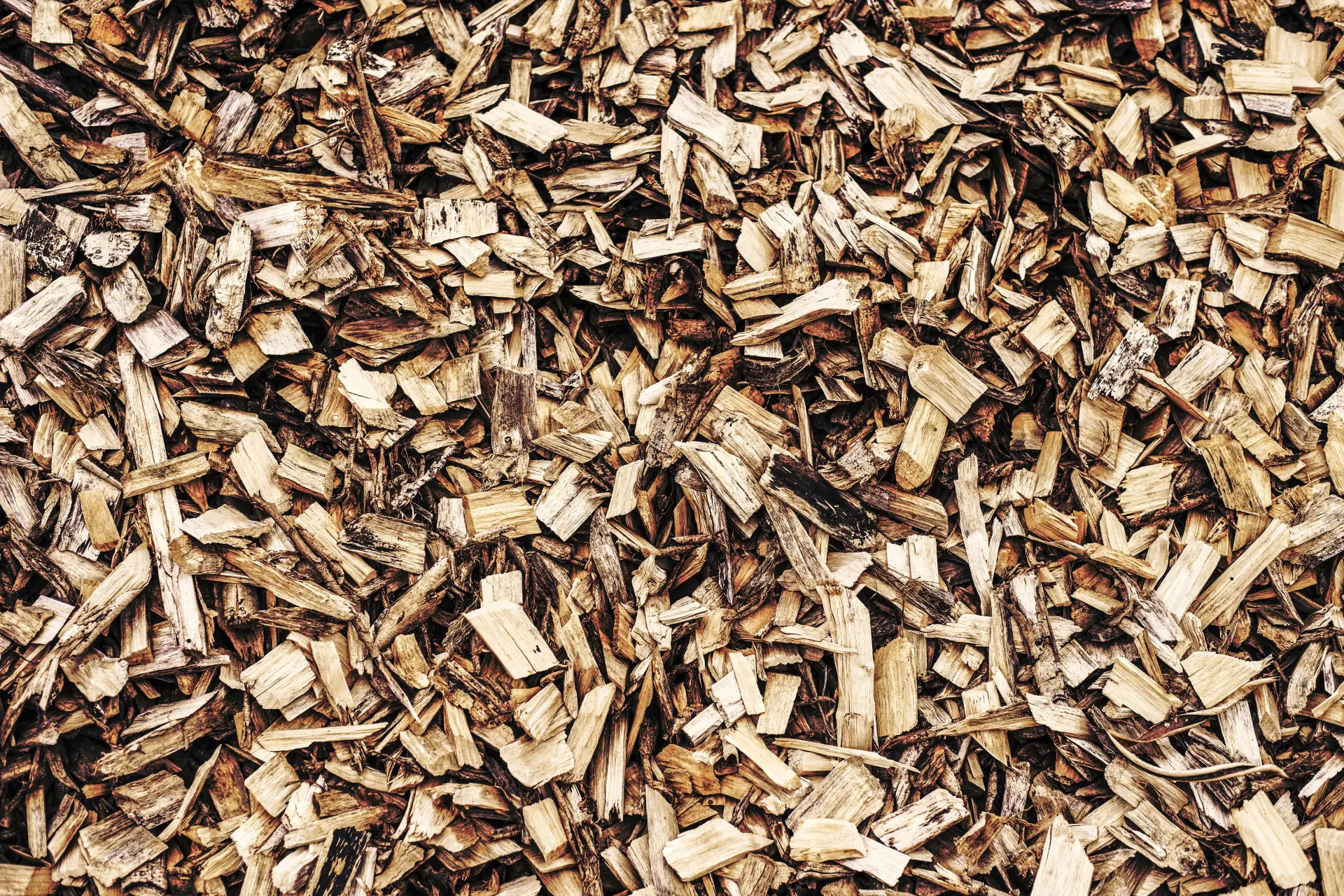
Wood chips can create a neat, natural finish, which helps commercial sites look well cared for. This can make a better first impression for visitors, customers, staff and tenants. Plus, they can also be used on informal paths and low-traffic areas to reduce mud and improve your access.
How to Choose the Right Wood Chips
Wood chips are used for paths, borders, play areas, tree beds, commercial grounds and weed control, so your choice depends on what the chips will be used for. For garden beds and tree areas, untreated wood chips are usually a good option because they help protect the soil, hold moisture and slowly break down over time.
For paths and walkways, a stronger, coarser grade may be better because it can handle regular foot traffic and reduce muddy areas. It's also important to check that the wood chips are clean and free from treated timber, sharp pieces, waste, plastic or harmful materials; this is especially important for play areas, animal areas and public spaces.
For play areas, you should always choose suitable play-grade material, and you should also consider the size and texture of the chips. Larger chips often last longer and are good for paths, while finer material is better for planting areas because of how fast they break down.
How Much Wood Chip Do You Need?
Working out how much wood chip you need for a general landscaping project depends on the size of the area and the depth you want to cover. Buying in bulk can be cost-effective, but it's important to measure the area carefully so that you don't order too little or too much.
Start by measuring the length and width of the area in metres and then multiply these numbers together to get the area in square metres. You then need to decide the depth of the wood chip required. For general borders, tree beds and weed control, a depth of around 5 to 10cm is often used, whereas for paths or areas with more foot traffic, a deeper layer may be needed to keep the surface even.
As a simple guide, 1 cubic metre of wood chip should cover about 20 square metres at a 5cm depth, or about 10 square metres at a 10cm depth. Larger projects, such as commercial grounds, farms or estate paths, may need several bulk bags or loose loads. It's also worth ordering a little extra, since the wood chips can settle after they have been laid - plus, some areas may need topping up over time as the material breaks down.
Preparing for a Bulk Wood Chip Delivery
Preparing for a bulk wood chip delivery can help make the process smoother, safer and more efficient. Before the delivery arrives, check how much space you have available and choose a clear, level area where the wood chips can be tipped or unloaded onto. This could be a driveway, yard, or another firm surface close to where the material will be used.
Also, make sure the delivery vehicle can reach the drop-off point safely, and that it has enough room for turning, reversing and unloading. It's also worth checking for low branches, narrow gates, overhead cables or weak ground that could cause problems. If the wood chips are being delivered loose, consider laying down a tarpaulin to help keep the area tidy and make moving the material easier. For bulk bags, make sure there's enough space for the bags to be placed safely.
BioMass Woodchip Ltd provides reliable wood chip supply services for homes, farms, estates and businesses. We supply quality wood chips for all types of landscaping projects, from garden maintenance to animal pens.