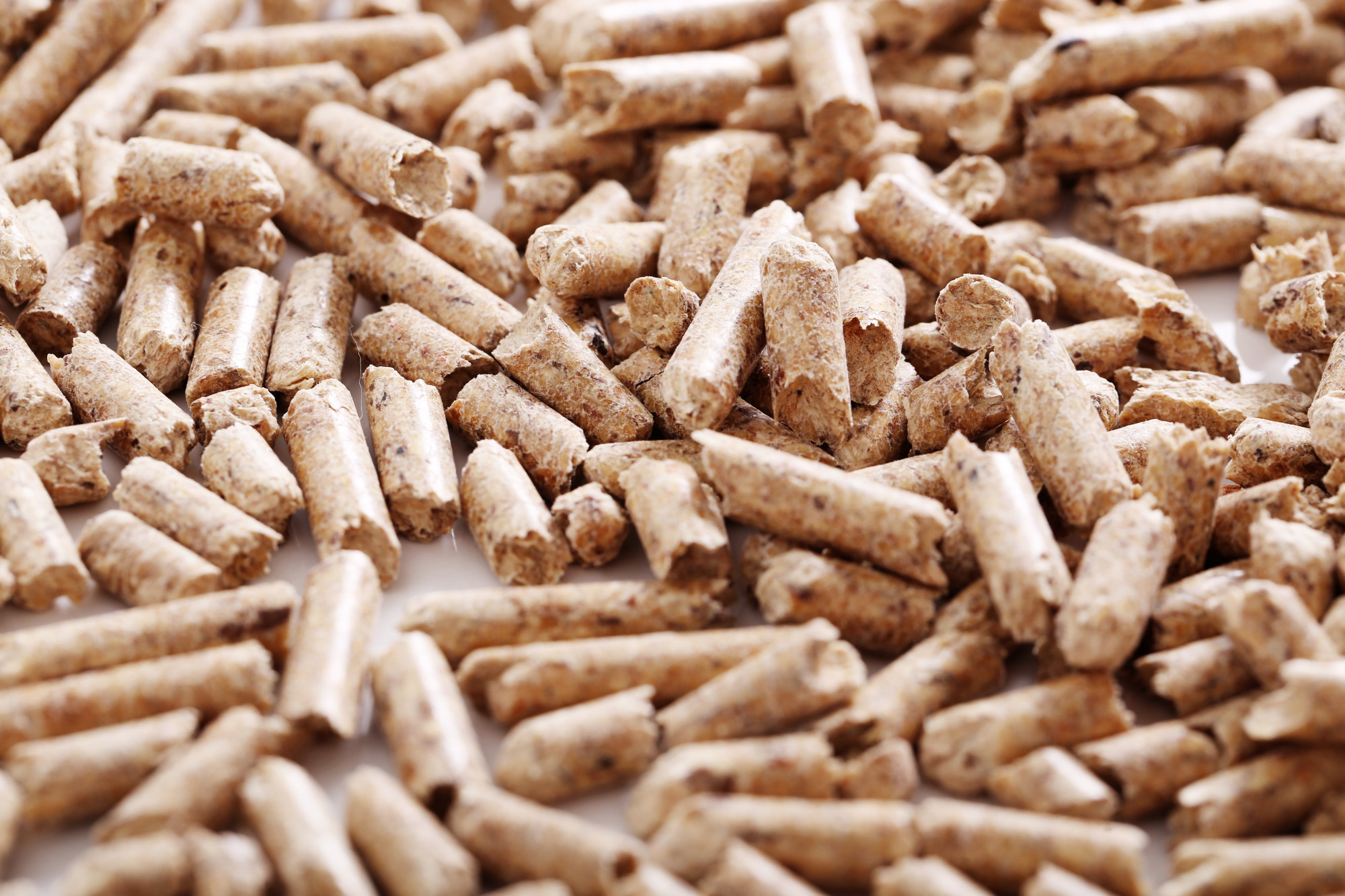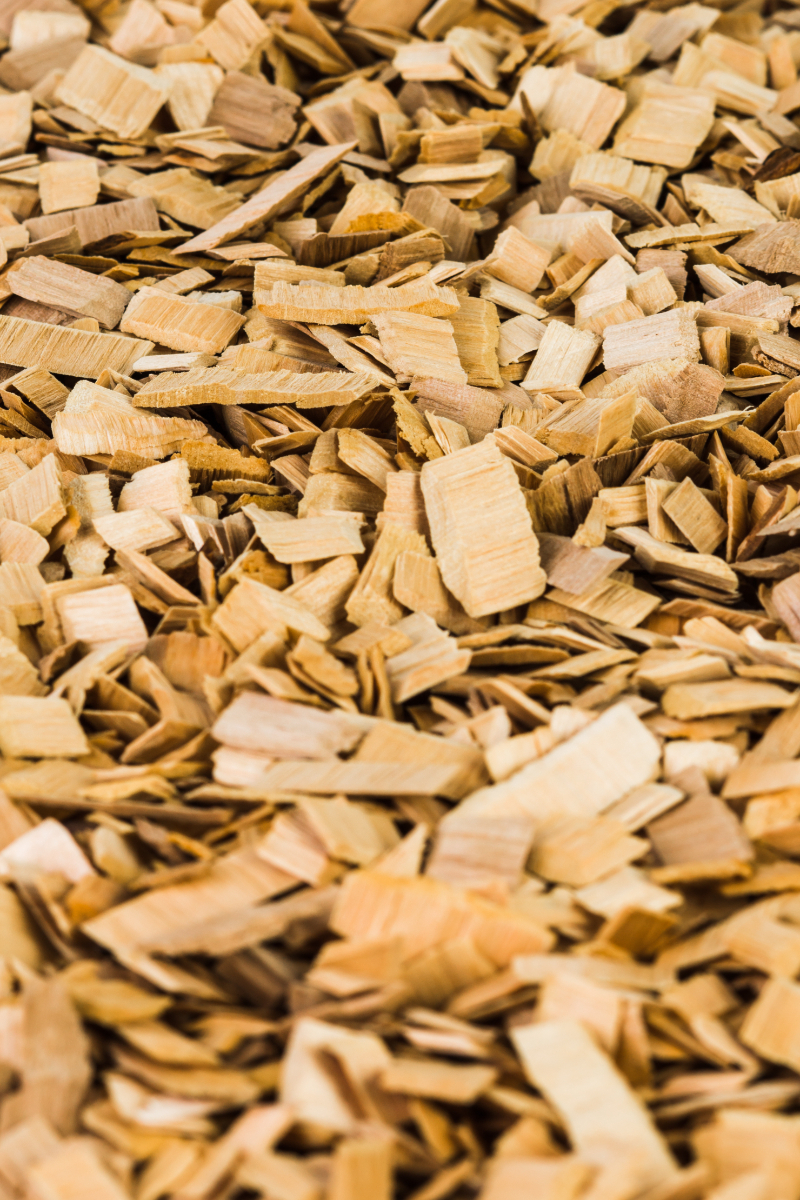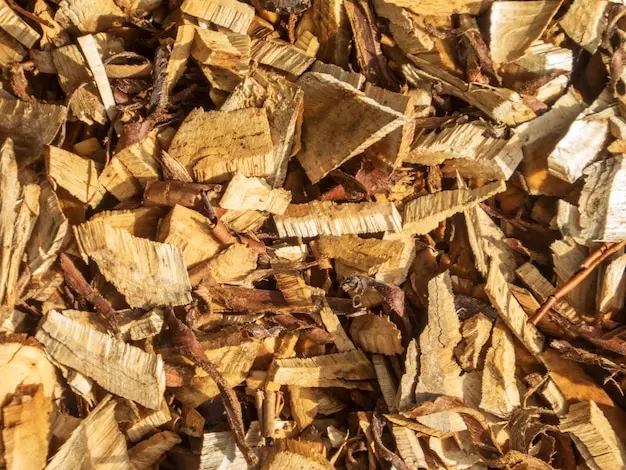
Good wood chip sourcing means understanding where the material came from, what has happened to it and whether it suits your intended use. A claim that chips are “natural” does not answer those questions. This guide helps you ask for useful evidence before choosing a supplier, without confusing woodland certification, product quality and suitability for a specific job.
Wood Chip Sourcing: Start With the Material
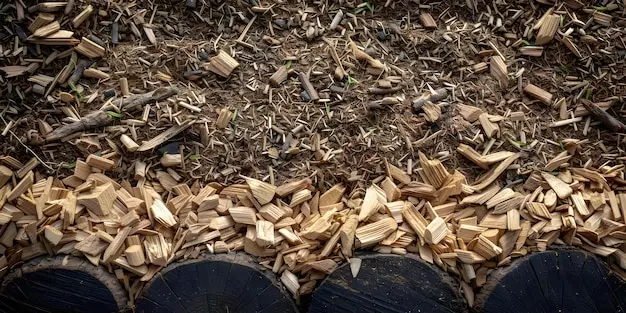
Ask whether the load comes from forestry, tree surgery, sawmill residues or another identified stream. These descriptions explain origin, but they do not establish the complete specification. Two loads from the same broad source can differ in moisture, bark content, particle shape and consistency.
Tell the supplier what you are planning. Fuel for an automatic boiler has different requirements from a surface mulch. A mixed tree-surgery load may be useful in some landscape settings while being unsuitable for a particular fuel feeder. Confirm the intended application instead of assuming one type works everywhere.
Put certification figures in context
Forest Research’s Forestry Statistics 2026, published 29 October 2026, reports 3.30 million hectares of UK woodland at 31 March 2026, with 1.42 million hectares, or 43%, independently certified as sustainably managed. These are national woodland statistics; they do not certify an individual load or supplier.
If certification matters to your project, ask what scheme and documentation apply to the material you are buying. Request an explanation of what the evidence covers. An uncertified woodland is not automatically badly managed, and a certified forest does not remove the need to check a delivered product’s fitness for purpose.
Separate source evidence from a fuel specification
For wood chips for biomass boilers, request the appliance-compatible fuel specification alongside sourcing information. A documented origin cannot tell you whether a long sliver will pass through an auger or whether a wet batch falls within the boiler’s permitted range. These are separate purchasing checks.
Ask how the supplier identifies batches and records the specification offered. If your installation or support arrangement has additional documentation requirements, check them with the relevant administrator or installer before ordering. Do not rely on a general “sustainable” description to establish compliance with a specific scheme.
Ask clearly about treated or contaminated timber
Source descriptions should make it possible to distinguish clean material from timber with an uncertain previous use. If you need virgin or untreated material, state that requirement explicitly. Ask how inappropriate timber and visible contaminants are excluded, rather than assuming the word “recycled” gives a complete answer.
For garden use, do not buy material of unknown treatment history simply because it is inexpensive. For fuel, use only the material accepted by the boiler documentation and applicable permissions. A consumer guide cannot approve a waste-derived fuel for your installation; that decision needs the proper specification and professional checks.
Treat delivery distance as one part of the picture
Ask where the chips are processed and how they reach your site. The supplier’s office address does not necessarily identify the load’s origin. Local sourcing can simplify logistics, but the journey, processing, moisture management and end use all influence the wider picture.
Avoid demanding an unsupported carbon-neutral guarantee. Burning wood releases carbon dioxide, and woodland growth, harvesting and supply-chain activity happen over time. If a project needs a carbon calculation, request a defined method and supporting data. For ordinary purchasing, a clear source description and an appropriate product are more useful than an absolute environmental slogan.
Keep an order record you can reuse
Record the supplier, date, declared material origin, quantity and agreed specification. Note how the load performed: whether the texture suited the landscape job or whether the boiler operator identified a quality issue. This gives your next order a practical starting point instead of relying on memory.
For landscaping wood chips, ask whether the next batch is expected to look similar if matching an existing area matters. Natural materials vary, so agree the characteristics that matter most. Keep a sample photograph for reference, while recognising that photography cannot replace a specification or guarantee an identical colour.
Summary
Choose a supplier who can explain the material, its intended use and the evidence behind any sourcing claim. BioMass Woodchip Ltd can discuss your application and delivery requirements so you can ask the right questions before placing an order.
Ask about our wood chip supply