Discover the many ways to use wood chips in landscaping. They can improve soil health, control weeds, protect plants, and create eco friendly pathways. When used well, wood chips are a natural mulch option that supports long term growth and makes your garden a more attractive and wildlife friendly place.
What Are Wood Chips?
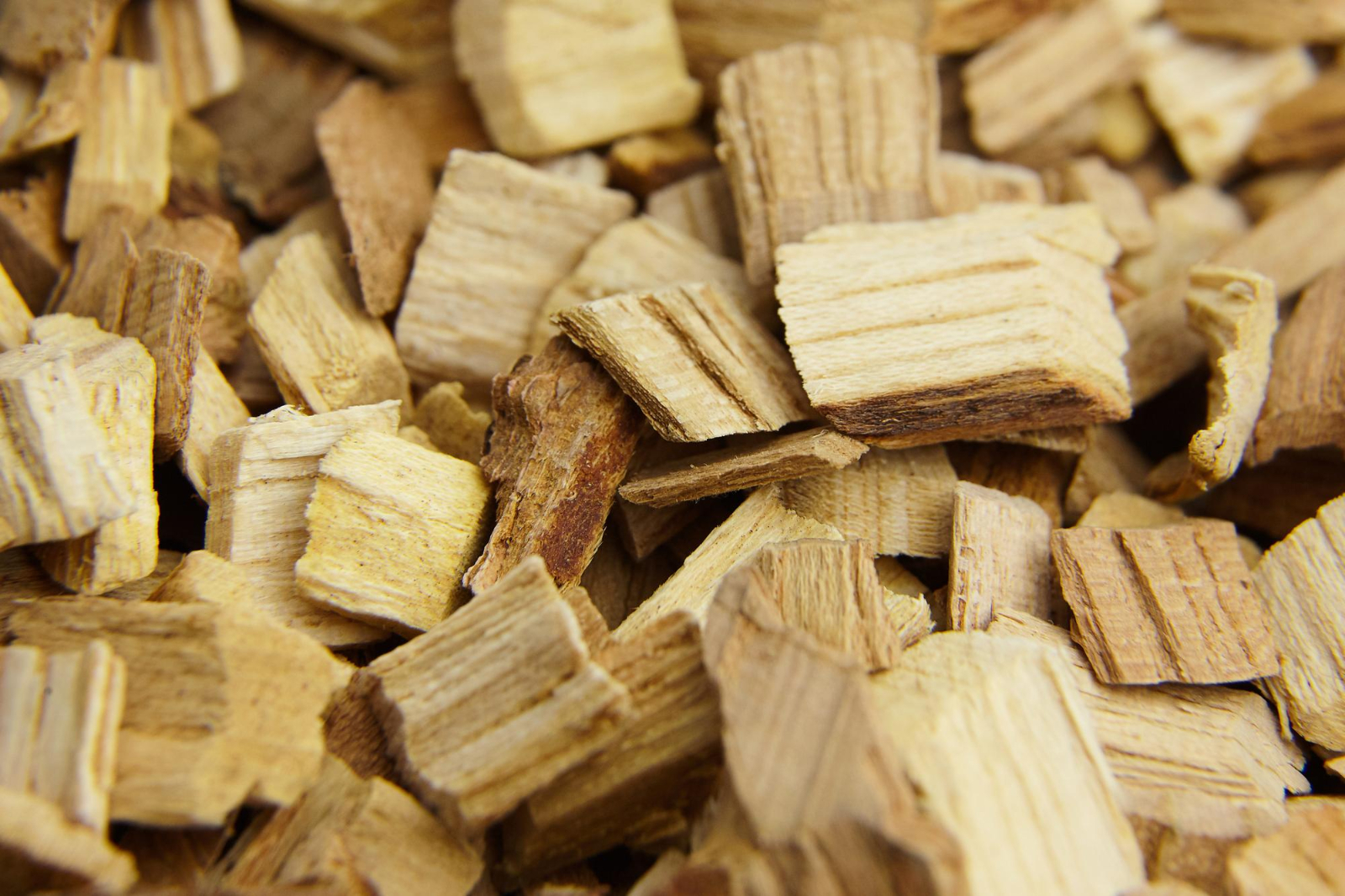
Wood chips are small pieces of wood made from branches, trunks and pruned trees and shrubs. They are a carbon rich material and a useful form of garden waste that might otherwise be thrown away. Because they are made from organic matter, wood chips slowly break down over time and help to improve the soil.
There are different types of wood chip. Some are made from softwood, others from hardwood, and they can be fresh or aged. The type you choose will affect how quickly they break down and how they look in your garden beds and other areas.
Wood Chips Can Be Used As Compost
Wood chips can be incredibly useful, particularly when it comes to composting. When used as compost, wood chips act as a carbon rich material that balances out the nitrogen levels in green waste such as grass clippings and kitchen scraps. This balance of carbon and nitrogen is important for successful composting.
By using wood chips as compost, you create the ideal environment for microorganisms to thrive. These tiny organisms are crucial for breaking down organic matter into rich compost that will feed your plants. Over time, the composting process turns rough wood chip material into a dark, crumbly mix full of nutrients.
One thing to keep in mind is that composting wood chips requires patience. Wood chips take longer to decompose compared to sawdust or straw. However, the end result is worth the wait, as you get a well balanced compost that enhances your soil’s fertility and structure.
This is handy when you are making areas where nutrient rich soil is essential, such as vegetable beds, fruit bushes and young trees and shrubs. To quicken the process, you can mix wood chips with grass clippings, vegetable peelings, dead leaves and other garden waste. This mix gives plenty of nitrogen and helps the chips to break down faster.
When the compost is ready, it can be applied as a layer around plants, worked gently into the top of the soil, or spread over beds before planting. Using wood chips for composting helps reduce waste and gives your garden an eco friendly source of nutrients. The resulting compost promotes healthy plant growth and improves your soil’s fertility for years.
Woodchips for Mulching
Using wood chips for mulching is a widely used technique in landscaping and garden maintenance. Using wood chips for mulch enhances the look of your garden while promoting healthier plant growth. A layer of wood chip mulch helps keep soil moisture in the ground, so your plants receive a steady supply of water between rains.
Another benefit of wood chip mulch is its role in regulating soil temperature. The mulch acts as an insulative layer, protecting plant roots from extreme heat in summer and cold in winter. This temperature control helps create a stable environment needed for steady plant growth.
Wood chip mulch is also an effective barrier against weeds. By covering the soil, it limits the sunlight reaching weed seeds, thereby reducing weed growth. Over time, fewer weeds mean your plants have less competition for water and nutrients.
As the mulch breaks down, wood chips slowly add organic matter and nutrients back into the soil. This process enriches soil fertility and helps improve structure, making it easier for roots to grow. The decomposition of wood chips creates a nutrient rich layer that supports plant growth and encourages beneficial organisms such as earthworms and fungi.
Additionally, wood chips are an excellent choice for sustainable gardening. Since they are an organic material, they contribute to a more eco friendly landscape. Using wood chips from local, pruned trees also supports recycling and reduces waste.
When applying wood chips as mulch, make sure the mulch is spread evenly around plants, trees and shrubs. A layer that is usually around 5 to 10 centimetres deep is enough for most areas. Keep the mulch a small distance away from the base of each tree or plant stem to protect against rot.
Incorporating wood chips into your landscaping projects offers a range of benefits. It enhances the appeal of your garden, supports plant health, and promotes sustainable gardening. By using wood chips around trees and shrubs, along borders and in beds, you can create a more eco friendly garden that looks neat and well cared for.
Using Wood Chip Mulch Around Trees and Shrubs
Wood chip mulch is particularly beneficial around trees and shrubs. These plants enjoy stable conditions, and a thick mulch layer helps to create them.
Spread wood chip mulch in a wide circle under each tree, reaching out towards the edge of the canopy. This helps protect the tree roots, keeps soil moisture levels steady, and slows weed growth. It also reduces damage from lawn mowers and strimmers, because you do not need to cut right up to the trunk.
Over time, the mulch will start to break down and turn into dark, crumbly soil full of nutrients. This slow process feeds the tree and supports long term growth. The same approach works well for shrubs planted in groups. A shared mulch layer can link planting areas together and make the whole garden look more connected.
It is important to note that thick mulch can use some nitrogen from the soil surface as it breaks down. To avoid any problems with hungry plants, you can add a little extra nitrogen rich fertiliser on the surface before mulching, or use compost underneath the chips.
Wood Chips in Beds and Borders
If you want to use wood chips in flower beds and borders, they can be very helpful. A neat layer of mulch around your plants creates a tidy look and makes paths between plants easier to see. It also keeps the soil surface covered, which is important for soil life.
In perennial beds, wood chip mulch helps keep moisture in and protects shallow roots. In raised beds, chips can be used on the paths between beds to keep mud down and provide clean, dry routes through the area in wet weather.
Chips can be used in vegetable gardens too, but it is usually best to place the wood chip mulch on the paths and not mix large amounts directly into the soil where annual crops grow. This helps to protect soil fertility while still reducing weeds in the area.
As the years go by, you may find that the mulch layer becomes thinner. Simply replenish the surface with a fresh layer of chips every year or two to keep the results strong.
Wood Chips Can Help You Grow Mushrooms
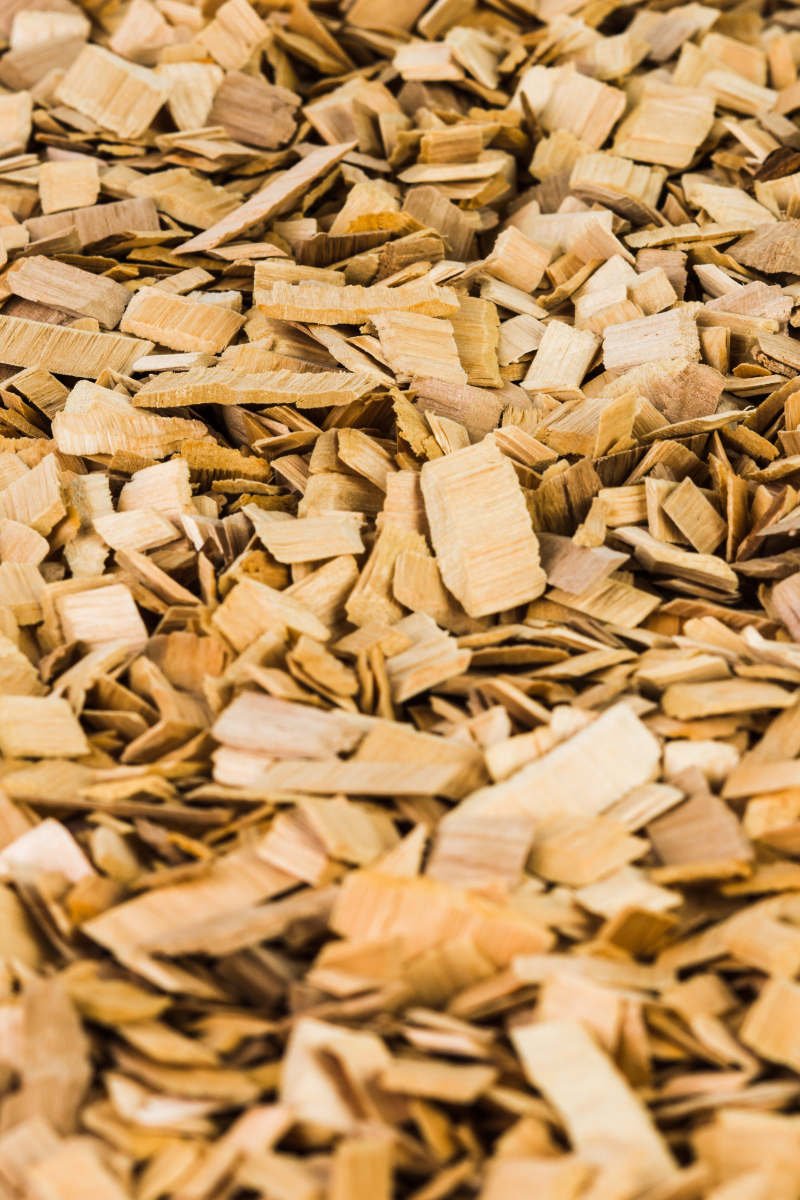
One use of wood chips in landscaping is mushroom cultivation. Mushrooms, such as shiitake and some oyster types, thrive in decomposing wood, making wood chips an ideal substrate.
First, choose the right type of wood, such as oak or beech, which are known to work well with mushroom growth. However, make sure the wood chips have not been treated with chemicals, as this can hinder the growth process and harm the mushrooms.
To create the ideal environment, spread a layer of wood chips in a shaded area of your garden. To improve the substrate, you can mix in some straw or compost, which will enrich the growing bed. Inoculating the wood chips with mushroom spawn is the next step. Mushroom spawn is the “seed” for mushrooms and can be bought from garden centres.
Sprinkle the spawn evenly over the wood chips and gently mix it in. Keep the area moist but not waterlogged, as consistent water levels are important for mushroom growth. Over time, typically a few months, you will start to see mushrooms appear and grow. This method makes use of wood that might otherwise go to waste. Using wood chips to grow mushrooms is a sustainable way to add variety to your garden and to use wood chips in yet another beneficial way.
Growing mushrooms on wood chips can also improve the soil’s health, as decomposition enriches the soil with nutrients. As the chips break down, they become part of the soil, increasing fertility and organic matter. This technique promotes a more sustainable approach to garden management.
Wood Chips Can Be Used To Make Pathways
Using wood chips to create pathways is a practical and attractive option for any garden. Wood chips blend seamlessly into natural spaces, giving them a soft, woodland look and feel. To start, lay down a thick layer of wood chips along the desired path. This helps reduce weeds and maintain soil moisture, making it a sustainable choice.
Chips can be used on main garden pathways, between raised beds, or around seating areas. Wood chip pathways are soft underfoot, quiet to walk on and safe for children and pets.
Wood chips are an eco friendly option since they are an organic matter that can often go to waste. Their organic nature means they will eventually break down, adding nutrients back into the soil beneath the path. In addition, wood chip pathways provide good drainage.
This reduces puddles, making it more comfortable to walk on during wet conditions. The uneven surface created by the wood chips can also offer a bit of extra grip, reducing the risk of slipping.
However, it is essential to maintain these wood chip pathways. Regularly add fresh wood chips to keep the path looking fresh and tidy. Over time, the wood chips will decompose and need replenishing. Wood chip pathways combine functionality with aesthetics. They are a cost effective, eco friendly option, making them a smart choice for any garden enthusiast.
Wood Chips for Play Areas and Seating Spaces
Wood chip is also a useful material for informal play areas and relaxed seating spaces. A thick layer of wood chips can provide a cushioned surface under swings and play equipment. It helps to absorb impact and keeps mud under control in a busy area.
Around benches or fire pits, a simple layer of wood chips can create a defined space and prevent bare soil from becoming compacted. As with pathways, the chips will break down over time, so they need topping up every few years.
When using wood chips in play areas, choose a clean, safe type of chip, and make sure it is free from sharp pieces.
Wood Chips Can Be Used To Make Habitats For Small Animals
Wood chips can be used to make habitats for small animals and to support a wide range of organisms. Wood chips are incredibly versatile and can provide shelter for hedgehogs, insects and birds. You can choose an area in your garden to place these wood chips, creating a cosy environment for small animals.
Over time, the decomposing wood generates gentle warmth. This feature is beneficial during the colder months when animals seek refuge. Additionally, the organic matter from wood chips attracts a rich variety of insects, which in turn can feed birds and other wildlife.
Another idea is to use wood chips as bedding for small livestock. The soft nature of wood chip bedding is comfortable for animals and absorbs moisture. This makes it easier to maintain a clean and hygienic environment. It is vital to ensure that the wood chips have not been chemically treated to protect the animals’ health.
Using wood chips in gardens does not just benefit small animals; it also contributes to biodiversity. By providing new habitats, you are enriching your garden and making it a haven for a range of organisms. This approach supports a balanced ecosystem.
Herb gardens can also benefit from the addition of wood chips. By placing wood chips around herb beds, you can create a micro habitat that supports earthworms and soil life. Earthworms help to improve the soil and maintain its structure and fertility.
If you have a compost heap, adding wood chips can be an excellent way to diversify the composition. Wood chips help to break down organic matter and balance the carbon to nitrogen ratio. The decomposed wood chips can also be used to enrich the soil, making it more fertile.
By using wood chips in these ways, you can create a thriving environment in your garden. Your garden can become a lively sanctuary and help contribute to wildlife conservation.
Choosing the Right Type of Wood Chips
When you use wood chips in the garden, it is important to choose the right type for the job. Fresh wood chips are lighter in colour and take longer to break down. They are good for deep mulching and for pathways. Aged woodchips are darker and part way through the decay process. They are useful where you want quicker results in terms of soil improvement.
Hardwood chips often last longer as mulch, while softwood chips may break down more quickly. You can find wood chips from local tree surgeons, recycling centres or sometimes from council sites that process garden waste.
Avoid using chips from treated wood, painted wood or unknown sources, as these may contain chemicals that are not suitable for soil, plants or wildlife. Some wood, such as walnut, is not ideal near sensitive plants.
Things To Note When Using Wood Chips
Wood chips are very beneficial, but there are a few points to note when planning how to use wood chips:
- Do not mix large amounts of fresh wood chips directly into the soil where you are about to plant hungry crops, as the process of decay can tie up nitrogen near the surface. Instead, use them on the surface as mulch or compost them first.
- Keep mulch away from the base of trunks and stems to protect them from rot and pests.
- Expect mushrooms and fungi to appear on old mulch. These are usually harmless and often a sign that the material is breaking down well.
- Be prepared to replenish mulch layers every few years, as the chips slowly break down and become part of the soil.
By understanding these simple points, you can make the most of wood chips and avoid common mistakes.
How To Start Using Wood Chips In Your Garden
If you want to use wood chips for the first time, begin with a small area. Choose a border, a path or the space under a tree. Lay down a neat layer of chips, water the area well if the soil is dry, and then watch how the plants respond over time.
As you gain confidence, you can explore more ways to use wood chips. Try wood chip mulch around fruit trees and shrubs, add chips to your compost heap, or create new pathways through your garden.
Step by step, chips can be used to improve many parts of your outside space. With a little planning, using wood chips will help you protect your soil, support plant growth, reduce weeds and create beautiful, natural looking areas all around your home garden.
Using Woodchip for Landscaping
Wood chips are a simple, natural material that offer plenty of benefits. Whether you are mulching, composting, making pathways or creating wildlife habitats, wood chips give you many ways to use garden waste and organic matter in a positive way. Over time, they will break down, turn into rich soil and keep your garden healthy for longer, making them an important part of sustainable landscaping.
Whether you need wood chips for landscaping, gardening, playgrounds, or biomass fuel, our diverse product offerings cater to all your needs. We are your new trusted destination for top-notch wood chip services in Lancashire, Preston, Blackburn and the North West.