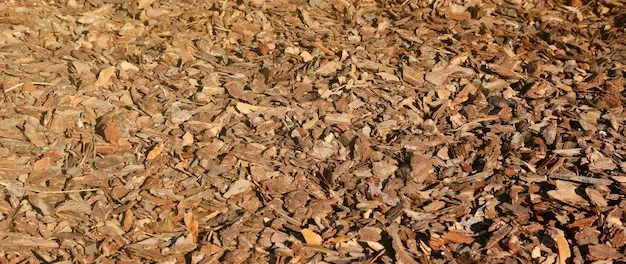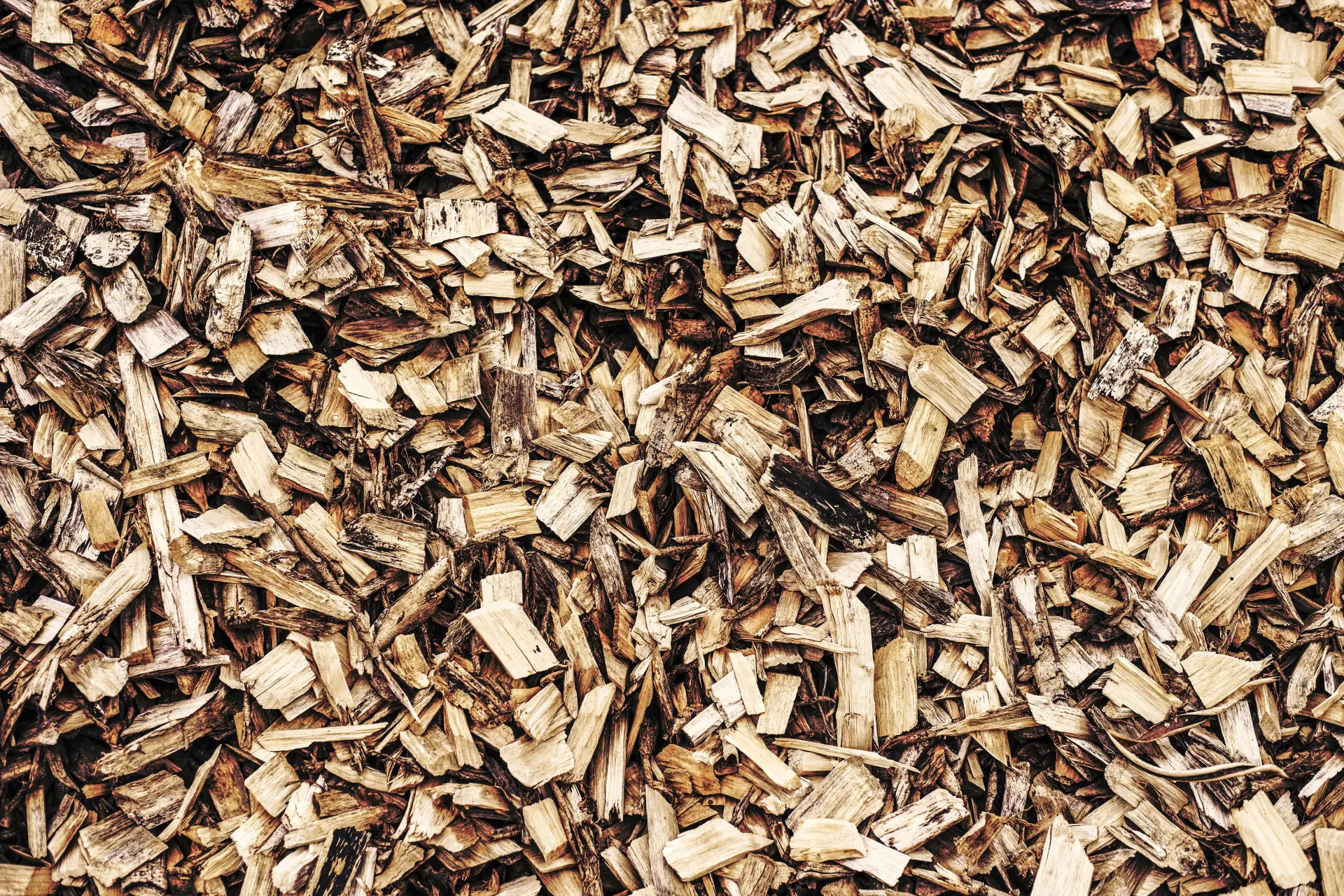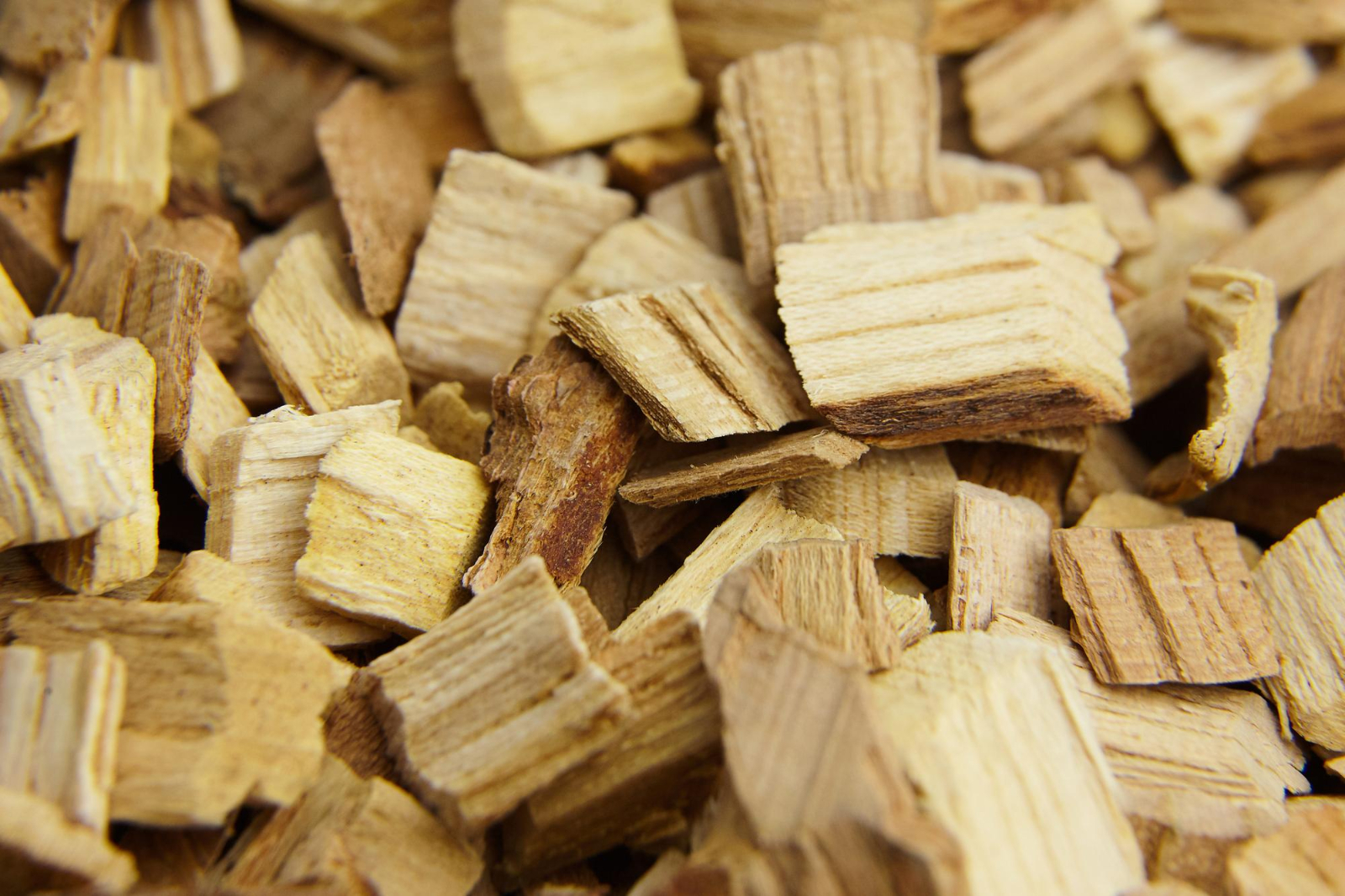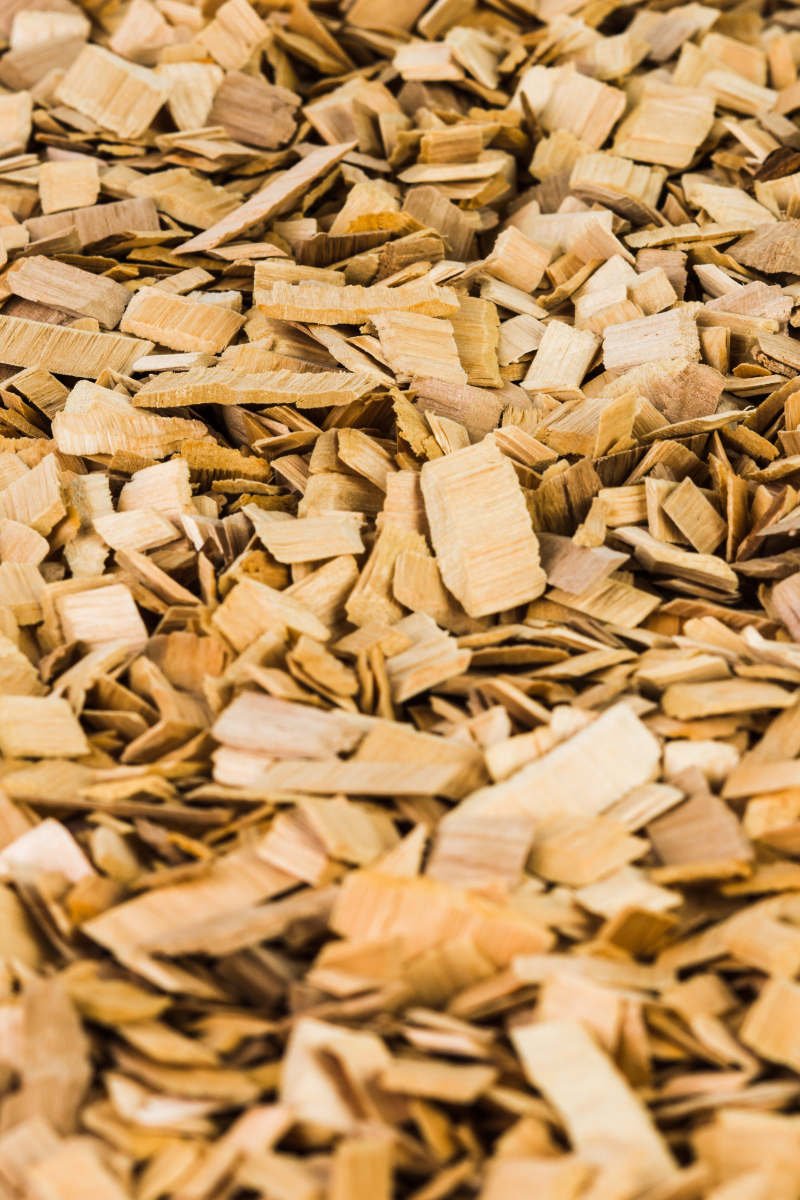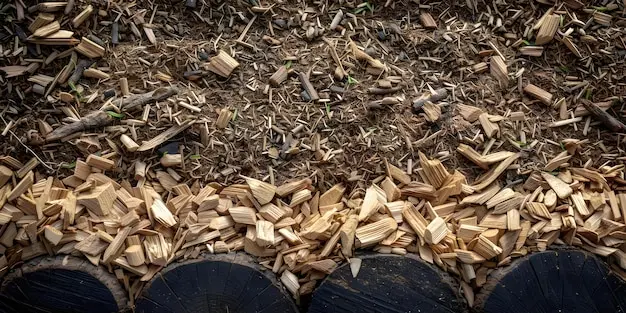
Discover the benefits of using wood chips for paths, beds and borders. Learn how wood chips improve drainage, reduce weeds and support a tidy garden design.
Benefits of Using Wood Chips in Garden Design
Wood chips are a simple and useful choice in many garden spaces. They can improve the look of paths, beds and borders while also helping with practical garden care. Wood chips help hold moisture in the soil, which means plants may need less watering in dry weather. They also help reduce weed growth by covering bare ground and blocking light.
On paths, they create a softer surface underfoot and can make areas look tidy and well kept. In beds and borders, they help protect the soil from strong sun and heavy rain. With the right depth and the right type of chip, they can be a low cost way to improve both the appearance and function of a garden.
Using Wood Chips for Garden Paths
Wood chips are often used for garden paths because they are affordable, easy to spread and natural in appearance. They suit many types of gardens, from informal cottage spaces to larger landscaped areas. A wood chip path can help define where people should walk, keeping feet away from lawn edges, flower beds and muddy ground. This can reduce wear in busy parts of the garden and make the whole area easier to manage.
Before laying wood chips, it helps to mark out the path clearly. Remove weeds and grass first, then level the ground as much as possible. Many people place a weed control membrane underneath to slow future growth and keep the path neater for longer. Edging can also be added to keep the chips in place and stop them spreading into nearby beds or grass.
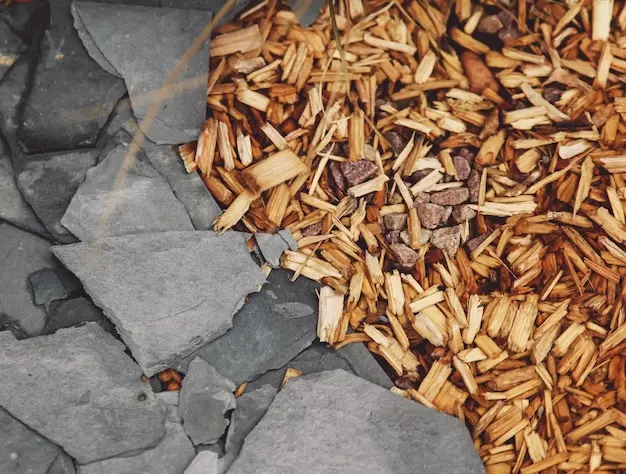
A good depth is important. If the layer is too thin, the ground may show through quickly and weeds can return. A deeper layer gives a more even surface and lasts longer. Over time, the chips will break down and need topping up, especially in wet weather or high traffic areas.
Wood chip paths also help with drainage. Instead of puddles sitting on a hard surface, water can pass through more naturally. This can make paths less slippery and more pleasant to use. For many gardens, wood chips offer a practical path surface that looks natural and blends well with plants and outdoor features.
Why Wood Chips Work Well in Flower Beds
Wood chips work well in flower beds because they help the soil stay in better condition while making the bed look neat. A layer of wood chips can reduce water loss from the soil surface and help keep roots cooler in warm weather. They also help slow weed growth, which means less time spent clearing unwanted plants.
In heavy rain, they can protect the soil from being washed or splashed onto leaves and flowers. This keeps beds looking cleaner and can support healthier growth. Wood chips also give beds a tidy finish, helping flowers and foliage stand out more clearly. Used properly, they are both practical and attractive.
How to Use Wood Chips Around Borders
Wood chips can be very effective around garden borders, where they help create a neat finish and support healthy plant growth. Borders often contain shrubs, flowers or small trees, and the soil in these areas can dry out quickly if left exposed. Adding wood chips over the surface helps keep moisture in the ground for longer and reduces the need for frequent watering during warmer periods.
To use wood chips around borders, start by clearing weeds and removing any old debris from the area. Water the soil first if it is very dry, as this helps trap moisture below the mulch layer. Spread the wood chips evenly around the plants, aiming for a consistent layer across the border. Take care not to pile chips tightly against plant stems or tree trunks, as this can hold too much moisture in one place and may lead to problems over time.
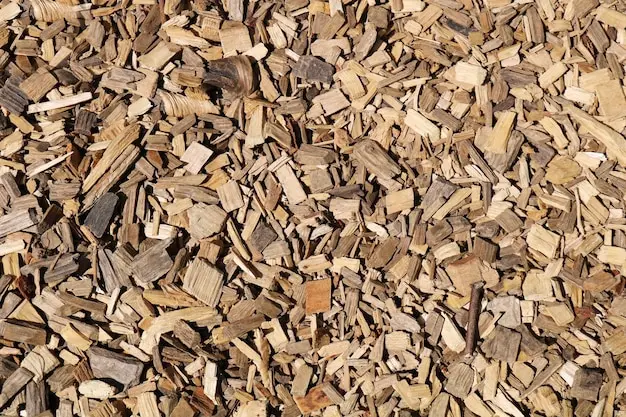
Wood chips are also helpful for making borders easier to maintain. They reduce the amount of bare soil that weeds can grow through, which means less regular clearing. They can also stop soil from splashing onto leaves when it rains, helping plants stay cleaner and making the border look more cared for.
In design terms, wood chips help tie a border together. They create a uniform surface that makes planting stand out and gives the garden a more finished appearance.
Whether the border is formal or relaxed in style, wood chips can add both structure and function. With occasional topping up, they remain a reliable and attractive option for many garden borders.
Choosing the Right Type of Wood Chips
Choosing the right wood chips depends on where and how they will be used. For paths, larger chips often last longer and stay in place better under foot traffic. For beds and borders, a medium chip is often a good choice because it spreads evenly and looks tidy. It is usually best to choose untreated wood chips, especially around plants, so no unwanted substances enter the soil.
Well-aged chips can also be useful because they tend to look more settled and natural. Fresh chips may be suitable in some areas, but they can appear rougher at first. By choosing the right size and type, you can get better results across the garden.
Our premium wood chip services are of the highest quality in Warrington, Preston, Blackburn, Manchester and the North West. We offer top-quality, sustainably sourced wood chips for all your biomass fuel needs. Trust us for reliable delivery and customer satisfaction.