What Are The Benefits Of Biomass Fuels? Discover how biomass fuels like wood chips can lower emissions, support local supply chains, and provide affordable, renewable heating solutions.
Biomass fuels are a practical and renewable way to heat your home, farm, estate or business. From wood chips and pellets to other plant-based materials, these fuels can help reduce your waste, lower your reliance on fossil fuels and support local supply chains.
How Biomass Fuels Work
Biomass fuel uses natural materials to create heat, power or both. These materials often include wood pellets, wood chips, logs, plant waste and some farm by-products. Because these fuels come from living or recently living sources, they are classified as "renewable" when they are sourced and managed correctly.
In a biomass heating system, the fuel is placed into a boiler or stove, and then wood pellets or chips are fed into the system from a storage area. The boiler then burns the fuel in a controlled way to create heat, which is commonly used to warm water. The hot water can then be sent around your property via radiators, underfloor heating or hot water taps.
Some larger biomass systems can also be used to make electricity. In these systems, the heat from burning the biomass creates steam, which can be used to drive a turbine and create power.
A Renewable Source of Energy
Biomass wood chips are a renewable source of energy because they come from trees and other plant material that can be regrown. Unlike coal, oil and gas, which take millions of years to form, wood can be replaced via careful planting, good woodland management and by using leftover timber from forestry work.
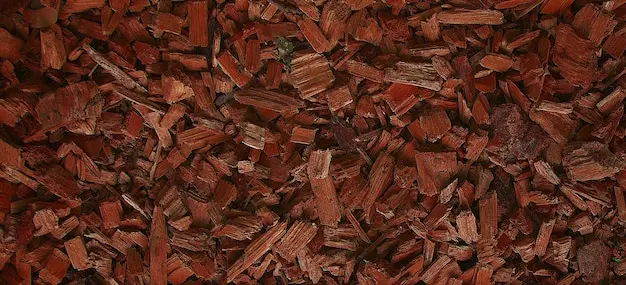
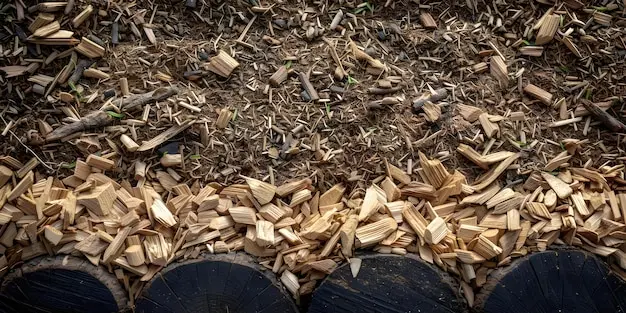
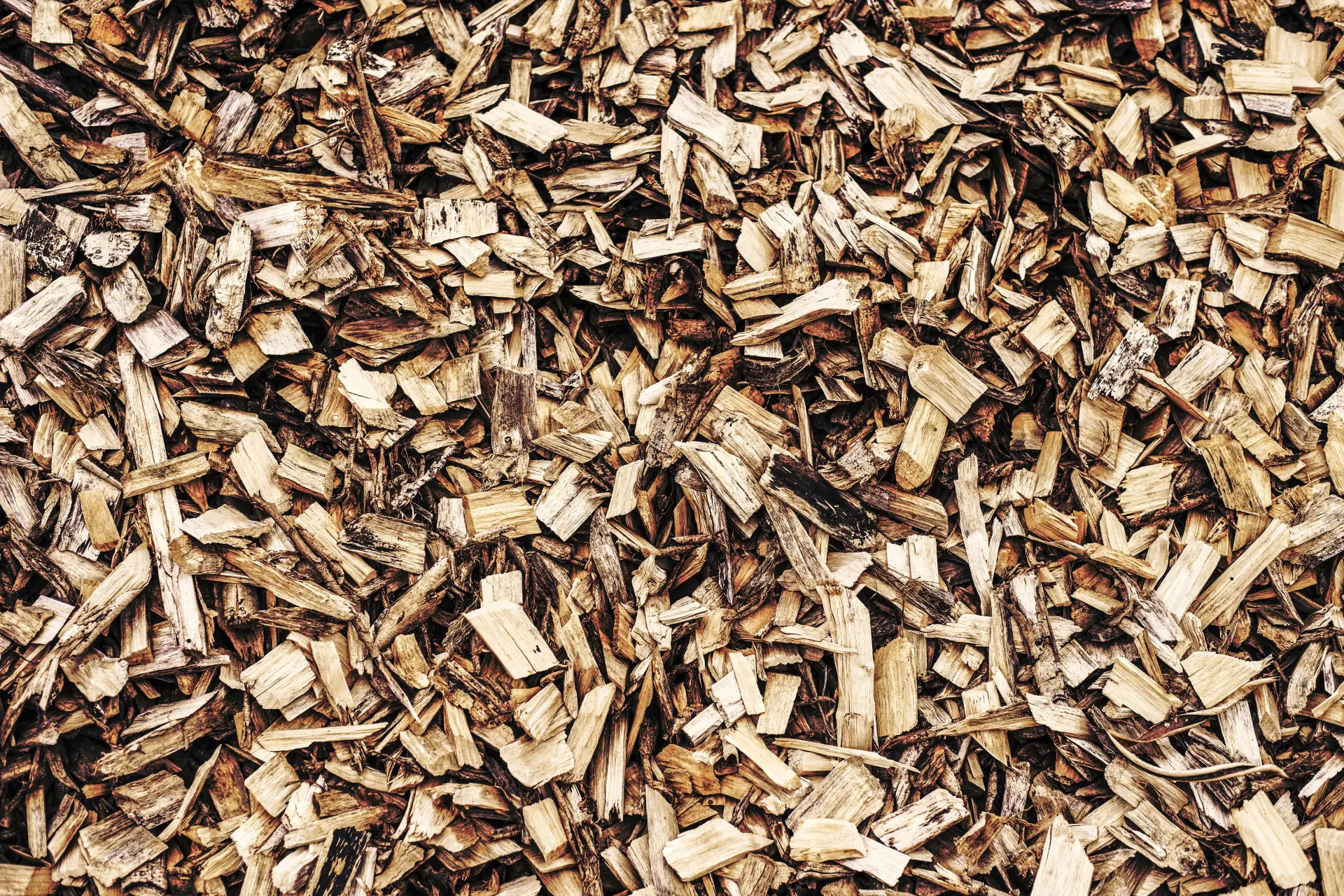
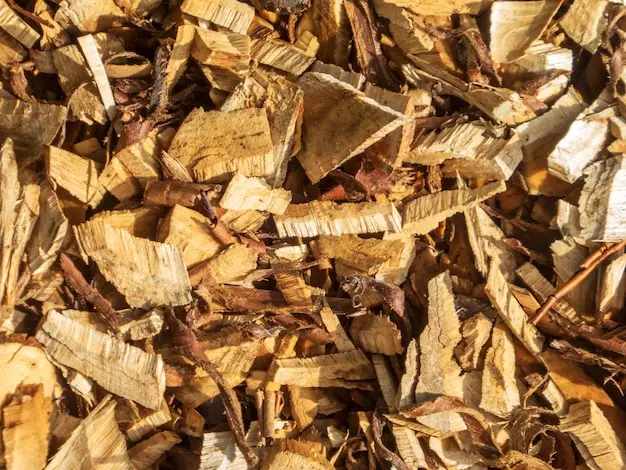
Wood chips are often made from branches, offcuts, small trees, or waste wood that would otherwise be left unused or discarded. By turning this material into fuel, less waste is produced, and more value is gained from the timber industry. When the wood chips are burned in a biomass boiler, they release heat that can be used for hot water and central heating.
Trees absorb carbon dioxide as they grow, and this can help balance out some of the carbon that's released when the chips are burned. For many properties, biomass wood chips are a practical, low-carbon heating option.
Lower Carbon Emissions
Fossil fuels release carbon that has been stored underground for millions of years, which can add extra carbon dioxide to the atmosphere. However, wood chips, on the other hand, come from trees and plant material that have absorbed carbon dioxide during their lifespan, so when they are burned, they release some of this carbon back into the atmosphere.
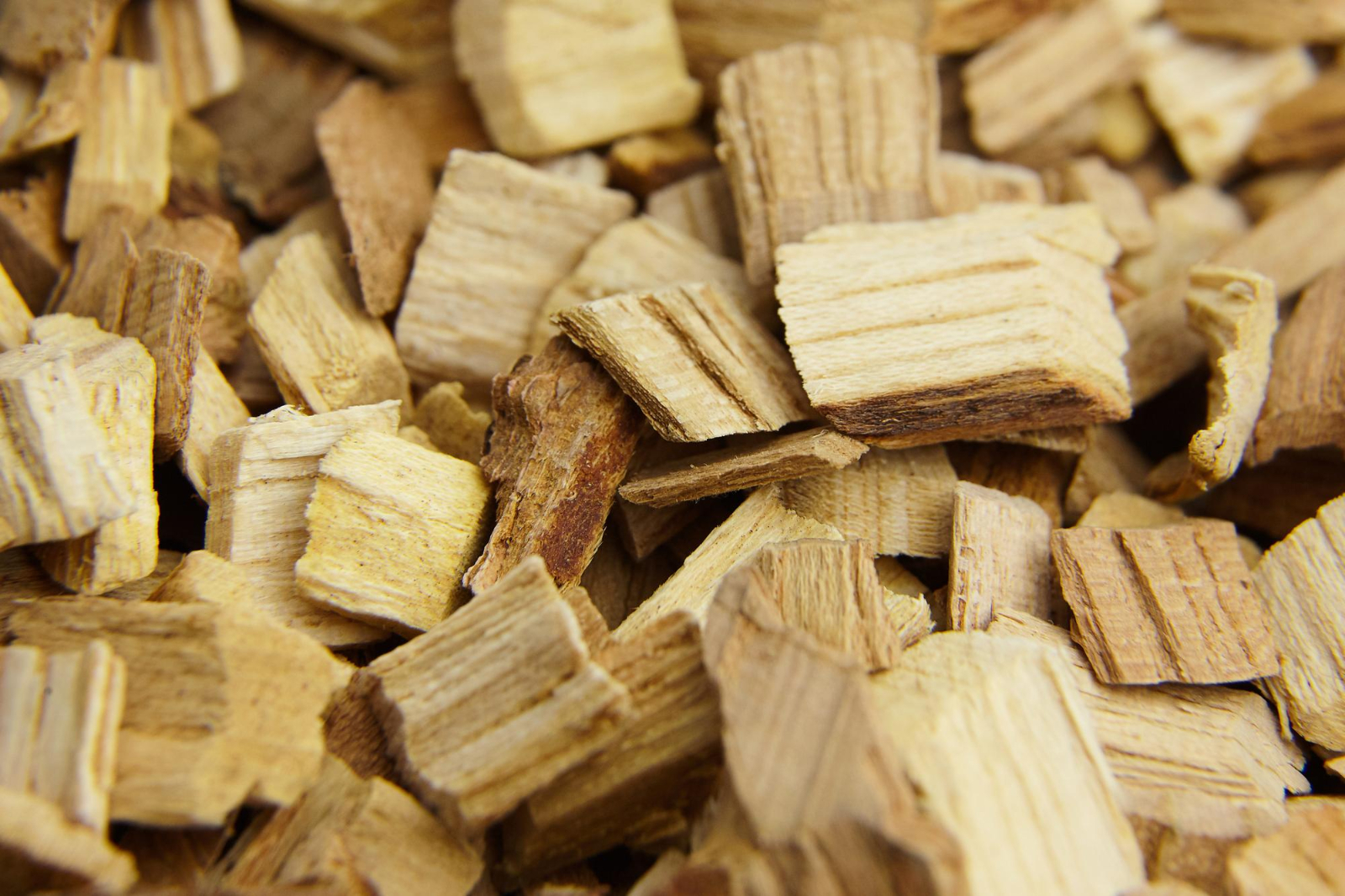
Biomass wood chips are often made from forestry leftovers, offcuts and low-grade timber that may not be suitable for other uses. Turning this material into fuel is a good way to make better use of natural resources, and it can reduce your waste. When used in an efficient biomass boiler, these wood chips can provide heating and hot water with a lower carbon impact than many other heating options.
Less Waste Going to Landfill
Wood chips are often made from branches, bark, sawmill offcuts, small pieces of timber and other wood that may not be suitable for building or manufacturing. Instead of being thrown away, this material can be processed and used as fuel in biomass boilers. This is important because landfill space is limited, and good waste management can put pressure on local services.
When wood waste is sent to a landfill, it can also break down over time and release gases that are harmful to the environment. By using this material for heating, more value is gained from each tree that's cut down, and less material is wasted. Using biomass wood chips also supports a more circular approach to energy because the resources are recycled, rather than simply thrown away.
Supports Local Supply Chains
Instead of relying only on fuels that are imported or transported over long distances, businesses and property owners can use wood chips from local woodland, tree surgery work, sawmills and forestry operations. This keeps more money passing through local farms, suppliers and rural businesses.
When wood chips are sourced locally, delivery services can be easier to arrange, and the transport distance may be shorter. This can help reduce transport costs, fuel use and the carbon that's linked to long journeys. Using local biomass wood chips can help support jobs in forestry, haulage, fuel processing, boiler servicing and woodland management, and it can encourage people to make better use of their local timber and wood waste.
This is important because strong local supply chains help communities become more self-reliant. They reduce your dependence on distant energy markets and support cleaner, more practical heating choices. When biomass fuel is sourced responsibly, it can benefit both the environment and the local economy.
Helps Reduce Reliance on Fossil Fuels
Many homes, farms, schools and businesses still depend on oil, gas or coal, and these fuels are taken from the ground and cannot be replaced quickly. When these fuels are burned, they release carbon that has been stored for millions of years into the atmosphere, which adds to the amount of carbon dioxide that's already in the air.
By using wood chips, you can produce the same amount of heat without depending on traditional fossil fuel systems. Reducing your reliance on fossil fuels is important because it can make your energy supply more stable and help you move towards cleaner, more renewable energy.
Useful for Heating Homes and Businesses
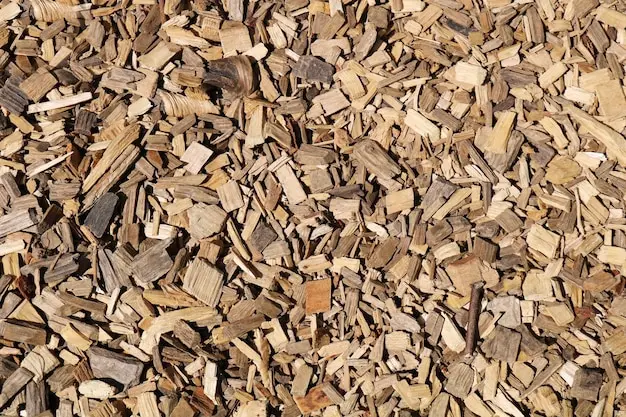
Wood chips are commonly used in biomass boilers, which burn the chips to heat up water for your radiators, underfloor heating and hot water systems. This makes them suitable for larger homes, farms, schools, offices, workshops and commercial buildings.
One of the main benefits of using wood chips is that they can be sourced from local woodland, forestry work, sawmills and tree surgery. This can help you reduce your reliance on oil, gas and coal, while also supporting local suppliers. For properties that need a regular and reliable heat supply, biomass wood chips can be a great choice, especially if there's enough space for a fuel storage area and boiler equipment.
Can Help Lower Energy Costs
Since wood chips can be produced locally, they can be less affected by global oil and gas price changes. For larger properties, farms, schools, offices and industrial sites, this can be a cost-effective way to meet your regular heating needs. Once the biomass system is installed, buying wood chips in bulk can often make fuel planning easier and help reduce your running costs over time. A well-designed biomass system that uses clean and responsibly sourced wood chips can provide strong long-term value, and it can also reduce your reliance on oil, gas and coal.
Suitable for Farms, Estates and Rural Sites
Biomass wood chips are well-suited to farms, estates and rural sites because these places often have enough space for a biomass boiler, fuel storage and delivery access. Many rural properties also have a high and steady need for heat, which makes wood chips a practical fuel choice for day-to-day use.
Farms and estates may also have access to their own timber, hedge cuttings or woodland material, and when this wood is processed correctly, it can be used as fuel rather than being wasted. This helps you make better use of your resources, and it can reduce the amount of material that's thrown away. Using biomass wood chips can also help lower your reliance on oil, gas and coal, which is especially useful if you're in an area that isn't connected to mains gas.
Different Types of Biomass Fuels
There are several different types of biomass fuels, and each is suited to different heating needs. One of the most common types is wood chips, which are made from clean timber, branches, forestry waste and sawmill offcuts. They are often used in larger biomass boilers for farms, estates, schools and businesses.
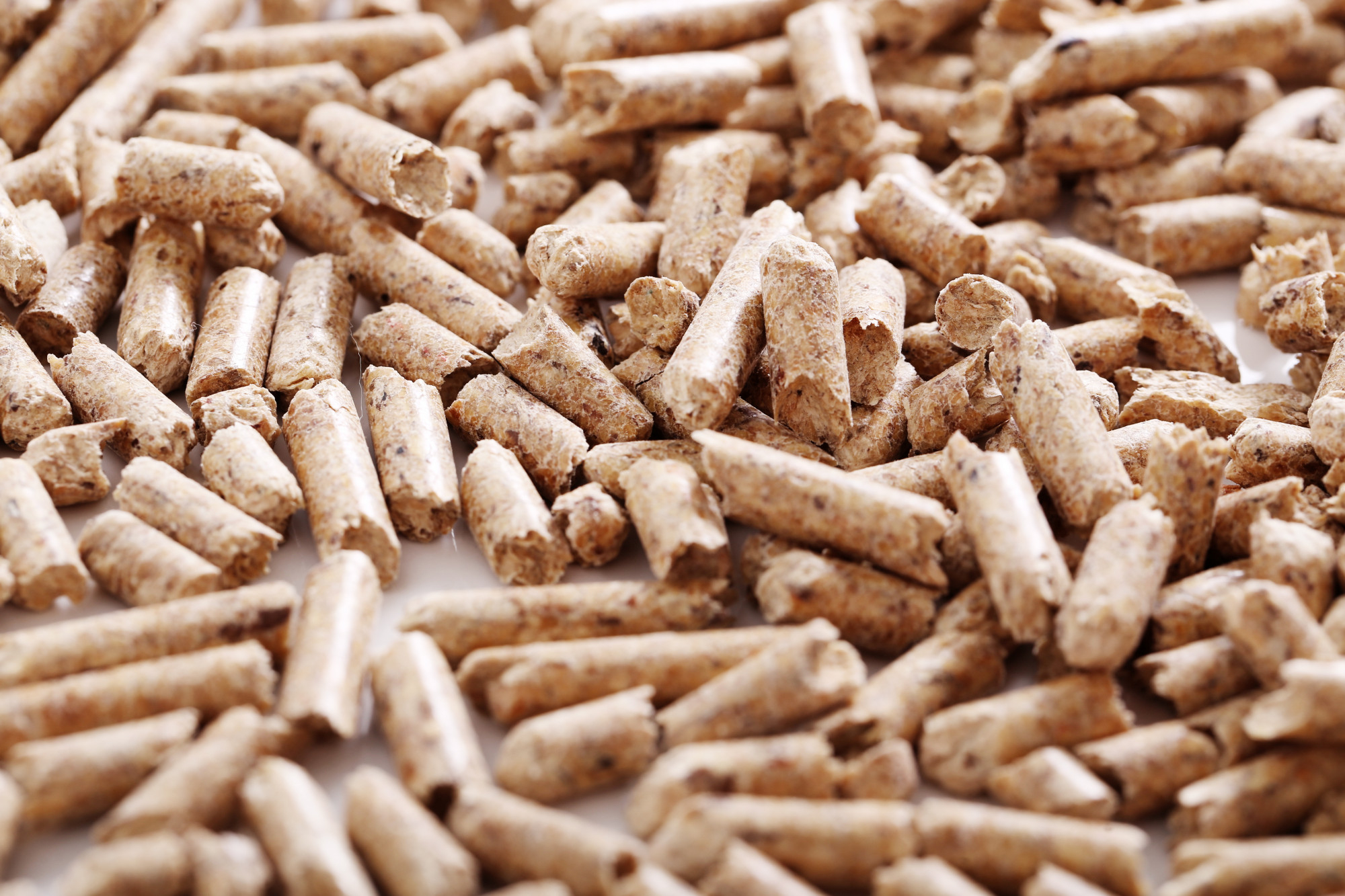
Wood pellets are another popular option, and they're made by compressing sawdust and other clean wood material together into small, dry pellets. Because they are even in size and moisture level, they are easy to store, handle and feed into an automatic boiler system.
Logs are also used as biomass fuel, especially in stoves and smaller heating systems. This is because they are easy to source, but they also need to dry out properly before they are used, otherwise they won't burn efficiently. Other biomass fuels include straw, miscanthus, wood briquettes and some agricultural by-products, which can be used in specialist systems on farms or on rural sites.
Wood Chips and Wood Pellets
Wood chips are small pieces of chipped timber, made from branches, forestry waste, sawmill offcuts and low-grade wood. They are usually cheaper than pellets and are often used in larger biomass boilers for farms, estates, schools, businesses and rural sites.
Wood pellets are made from compressed sawdust and clean wood material, and they are smaller, drier and more uniform than wood chips. This makes them easier to store, transport and feed into automatic boiler systems.
Pellets usually have a more consistent moisture level, which can help them burn efficiently and produce a steady heat supply. Pellets can also be a good choice if there isn't much space in your property. The right choice depends on your boiler, budget, storage, heat demand and your local fuel supply.
Biomass Fuels for Commercial Heating
Biomass fuels can provide many benefits for commercial properties, especially for businesses that have a regular demand for heat and hot water. Biomass fuels come from renewable sources, which can be replaced via planting, woodland care and responsible sourcing. This can help lower your carbon emissions and support a more sustainable heating system.
Biomass heating can also help businesses manage their energy costs over time. Biomass fuel, such as wood chips, is widely available from local suppliers, which can reduce the impact of changing global fuel prices. Buying fuel in bulk can also make your heating costs easier to plan. For many businesses, biomass provides practical, reliable and cleaner heating.
Things to Consider Before Using Biomass
Before using biomass fuel, it's important to think about whether it's suitable for your property, budget and heating needs. Biomass systems can work well for homes, farms, estates, schools and businesses, but they need the right space and setup. A biomass boiler is usually larger than a standard heating system, and you will need enough room to store the fuel itself.
Biomass systems can also have a higher installation cost than many other heating options, so it's worth thinking about your long-term savings, fuel prices and maintenance costs. The system also needs to be the right size for your building, since a boiler that's too large or too small might not work efficiently.
BioMass Woodchip Ltd provides reliable biomass wood chip supply services for homes, farms, estates and businesses across the North West. We supply quality wood chips for biomass boilers, helping you reduce your waste, lower your reliance on fossil fuels and support renewable heating.